Digital Assets, Smart Contracts & Arbitration: The Complete Guide to Web3 Disputes
Digital assets and blockchain-based technologies are rapidly reshaping global commerce — and with that shift comes a new generation of disputes.
From smart contract failures to decentralised governance conflicts, arbitration is increasingly being tested in environments where law meets code.
At ArbTech, we explore how dispute resolution can adapt to these emerging realities. This guide brings together key insights and practitioner-focused resources at the intersection of digital assets, smart contracts, and international arbitration.
Whether you are counsel advising on Web3 contracts, an arbitrator facing blockchain-based evidence, or an institution developing new procedural tools, this hub is designed to help you navigate the future of technology-driven disputes.

We work with leading institutions, publications, and conferences to advance dialogue on AI and arbitration.
〰️
We work with leading institutions, publications, and conferences to advance dialogue on AI and arbitration. 〰️

Understanding Digital Asset Disputes in Arbitration
Digital asset disputes differ from traditional commercial disputes in one key respect: the underlying systems are often decentralised, automated, and borderless.
Disputes may involve:
Blockchain-based contractual performance
Tokenised commercial arrangements
Smart contract interpretation failures
Governance breakdowns in decentralised ecosystems
Cross-border enforcement uncertainty
Arbitration offers flexibility and international enforceability, but the rise of blockchain-based disputes raises novel questions about applicable law, procedural design, and evidentiary standards.
Read more: How Arbitral Institutions and International Organisations Are Paving the Way to New Technologies
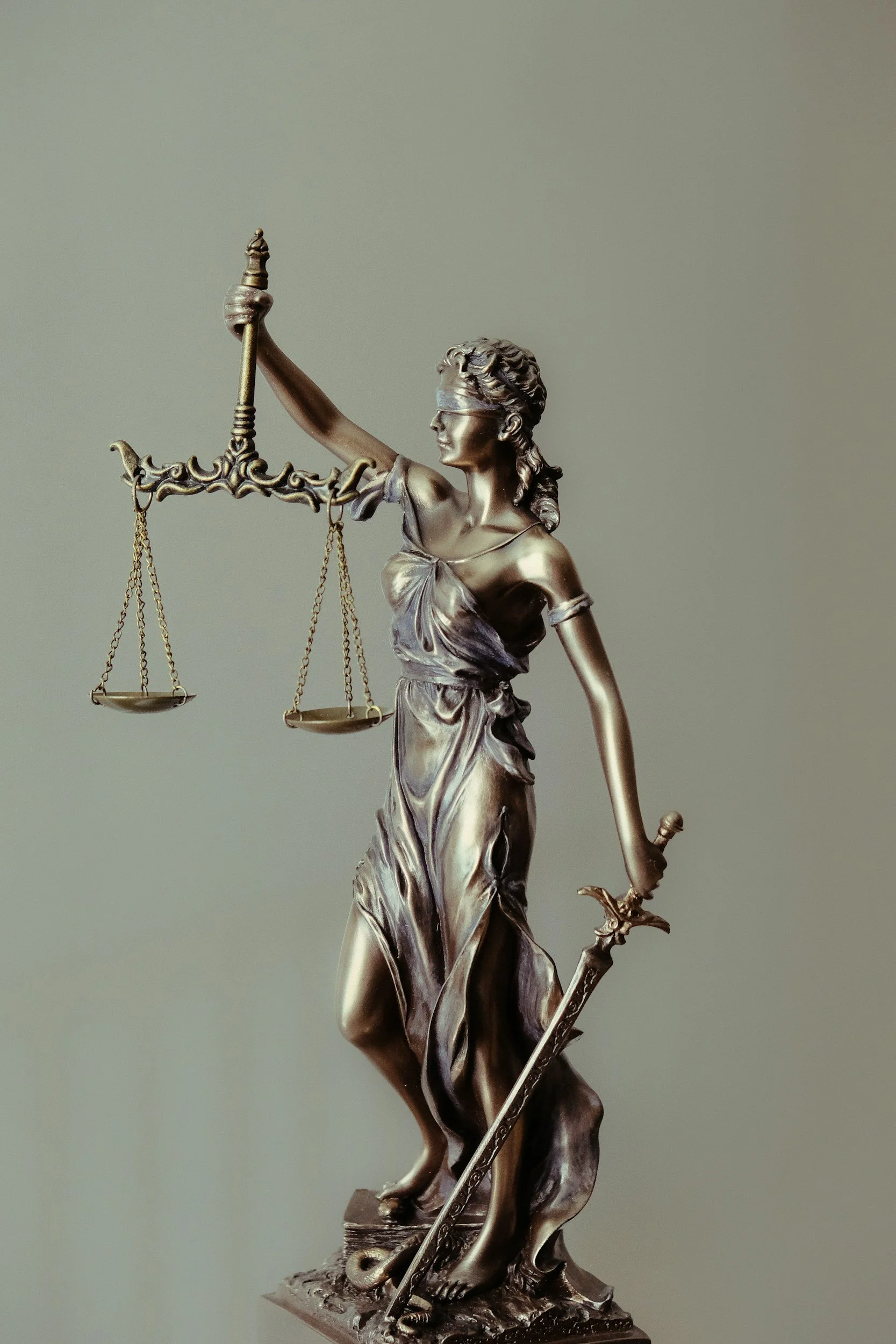

UKJT Publishes Landmark Report on Control of Digital Assets
The UK Jurisdiction Taskforce (UKJT) has published its latest report on the control of digital assets, offering timely and much-needed guidance on how English law approaches one of the most complex questions in digital asset jurisprudence.
Dive Deeper
In this post, we explore the most important AI in arbitration trends for 2025. These developments reflect not only new technologies, but also shifting expectations around speed, cost-efficiency, trust, and transparency in international dispute resolution.
As AI becomes woven into the fabric of legal practice, international arbitration must shift focus from if to how we adopt it—and crucially, under what framework. Enter Constitutional AI. This methodology, popularized by researchers including those at Anthropic, embeds ethical and governance principles—like fairness, transparency, and human oversight—directly into AI systems. For arbitration, which hinges on confidentiality, impartiality, and party autonomy, Constitutional AI offers a path to responsibly integrate powerful tools without undermining core values.

Artificial Intelligence (AI) is revolutionising various sectors, and arbitration is no exception. AI tools are now being integrated into many aspects of arbitration, from document review to arbitrator selection, significantly improving efficiency. However, its use also raises important ethical, legal, and procedural questions that arbitration professionals need to be aware of. This guide will help you understand the role AI plays in arbitration, the challenges it introduces, and the future outlook, providing you with the insights needed to navigate this evolving landscape.

The article "Arbitration Tech Toolbox: Is Generative AI Now the Biggest Threat to Remote Hearings?" by Sean McCarthy, published on the Kluwer Arbitration Blog, delves into the emergent risks associated with generative AI technologies in the context of remote arbitration. McCarthy highlights the rise of deepfake video AI technologies, such as HeyGen's 'Instant Avatars', which create lifelike avatars from short video recordings. These technologies pose significant practical and conceptual challenges, particularly concerning the authenticity of witness testimonies in arbitration proceedings conducted remotely.

In a remarkable demonstration of AI capabilities, this podcast, hosted by André Guskow, explores the future of digital government, public procurement, and contracting in Brazil. This AI-powered episode showcases how modern technologies, such as artificial intelligence (AI) and smart contracts, are reshaping public procurement and governance.
Smart Contracts and Arbitration
Smart contracts are often described as “self-executing agreements.” In practice, they automate performance — but they do not eliminate legal ambiguity.
Key issues include:
Whether smart contracts are legally binding agreements
How tribunals interpret intent when terms are embedded in code
The relationship between natural language clauses and automated execution
Remedies when code produces unintended outcomes
Smart contract disputes are no longer theoretical. They are already appearing in arbitration contexts, particularly in complex technology-driven transactions.
Read more:Smart Contracts and Arbitration: A Q&A with Sean McCarthyhttps://www.arbtech.io/blog/smart-contracts-and-arbitration-a-qampa-with-sean-mccarthy
Procedure and Evidence in Blockchain-Related Disputes
Digital asset disputes are often highly technical and data-heavy. Evidence may include:Blockchain transaction recordsSmart contract code and protocol documentationDigital identity and attribution challengesExpert evidence on decentralised systemsTribunals may need to engage with unfamiliar forms of proof, requiring procedural innovation and specialised expertise.As arbitration becomes more technology-enabled, these disputes highlight the growing importance of institutional readiness and procedural adaptation.
Explore more:How Arbitral Institutions and International Organisations Are Paving the Way to New Technologies

Institutional Innovation and Technology Disputes
International institutions are beginning to respond to the rise of technology-driven disputes through updated rules, digital filing systems, and model clauses designed for emerging sectors.
The broader trend is clear: arbitration is evolving alongside digital infrastructure.
ArbTech tracks these developments across its technology and arbitration series, including the growing overlap between AI governance, procedural fairness, and digital disputes.
Related hub:AI in Arbitration: The Complete Guidehttps://www.arbtech.io/ai-in-arbitration
Enforcement Uncertainty in Digital Asset Arbitration
One of the most pressing questions in Web3 disputes is enforcement.
Even where arbitration offers an award enforceable under the New York Convention, digital asset disputes may involve:
pseudonymous actors
decentralised governance structures
assets distributed across jurisdictions
unclear respondent identity
This creates enforcement complexity that requires foresight at the drafting stage and careful procedural strategy once disputes arise.
Looking Ahead: The Future of Web3 Arbitration
The next decade will likely see a growing convergence between arbitration and digital infrastructure.
Key trends to watch include:
More disputes involving smart contracts and decentralised platforms
Increased demand for specialised arbitration clauses for digital assets
Institutional rules tailored for technology-heavy disputes
New evidentiary practices for on-chain proof and code-based performance
At ArbTech, we believe the central challenge is ensuring arbitration remains adaptable and legitimate — capable of resolving digital disputes without losing its foundations of fairness, transparency, and enforceability.
Explore more: How AI is Actually Used in Arbitration Today
Frequently Asked Questions About Digital Assets and Arbitration
-
Yes. Arbitration is increasingly used for disputes involving smart contracts, particularly where arbitration clauses are included in associated legal agreements.
-
Evidence may include transaction histories, smart contract code, protocol documentation, and expert testimony explaining decentralised systems and tracing assets across digital wallets.
-
Enforcement may be difficult where respondents are pseudonymous, assets are decentralised, or governance structures lack a clear legal entity.
-
Digital asset disputes are part of the wider transformation of arbitration through technology, alongside AI tools, institutional innovation, and new governance frameworks.
Explore ArbTech’s broader work here:https://www.arbtech.io/blog/a-comprehensive-guide-to-ai-in-arbitration
Continue Exploring
In this post, we explore the most important AI in arbitration trends for 2025. These developments reflect not only new technologies, but also shifting expectations around speed, cost-efficiency, trust, and transparency in international dispute resolution.
As AI becomes woven into the fabric of legal practice, international arbitration must shift focus from if to how we adopt it—and crucially, under what framework. Enter Constitutional AI. This methodology, popularized by researchers including those at Anthropic, embeds ethical and governance principles—like fairness, transparency, and human oversight—directly into AI systems. For arbitration, which hinges on confidentiality, impartiality, and party autonomy, Constitutional AI offers a path to responsibly integrate powerful tools without undermining core values.

Held on 10 June 2025 at the Peace Palace in The Hague, the AAA–ICDR’s Future Dispute Resolution Conference brought together global experts in arbitration, mediation, and legal tech. The event explored how Artificial Intelligence (AI)* and emerging technologies are transforming international dispute resolution. Across five sessions, speakers discussed new tools, ethical frameworks, and evolving practices that are reshaping how disputes are handled.

Explore how arbitral institutions and international organisations are embracing technology to revolutionise case management and dispute resolution processes. This page highlights cutting-edge initiatives and resources aimed at streamlining arbitration, from innovative submission systems to tailored guidelines and specialized rules for tech-related disputes.

Smart contracts are rapidly shaping the future of blockchain and digital assets — and with them comes a wave of new disputes, questions, and opportunities for arbitration. Sean McCarthy, co-editor of Transforming Arbitration: Exploring the Impact of AI, Blockchain, Metaverse and Web3 and co-founder of ArbTech, gives his insights on what practitioners need to know.